Engineering admission preparation with AI: physics, chemistry and higher math
Engineering admission rewards problems solved under time. AI cannot sit the test for you, but it can shorten the time you spend stuck on a topic. Here is where it helps, and the parts only practice can fix.
An engineering admission test usually draws on physics, chemistry, higher math and English, but the exact subjects, number of questions and marking differ by test and year, so follow the current circular. Porphy helps in four ways: rebuild a weak topic from the topic it depends on as a course in Bangla or English with technical terms kept in English, have the voice tutor work a stuck problem on a whiteboard while explaining it aloud, turn your own sheets into MCQs and flashcards, and answer a past paper from a photo with a reason for every answer. It has no engineering admission question bank, can make arithmetic or algebra slips, and cannot make you faster; speed comes only from timed practice.
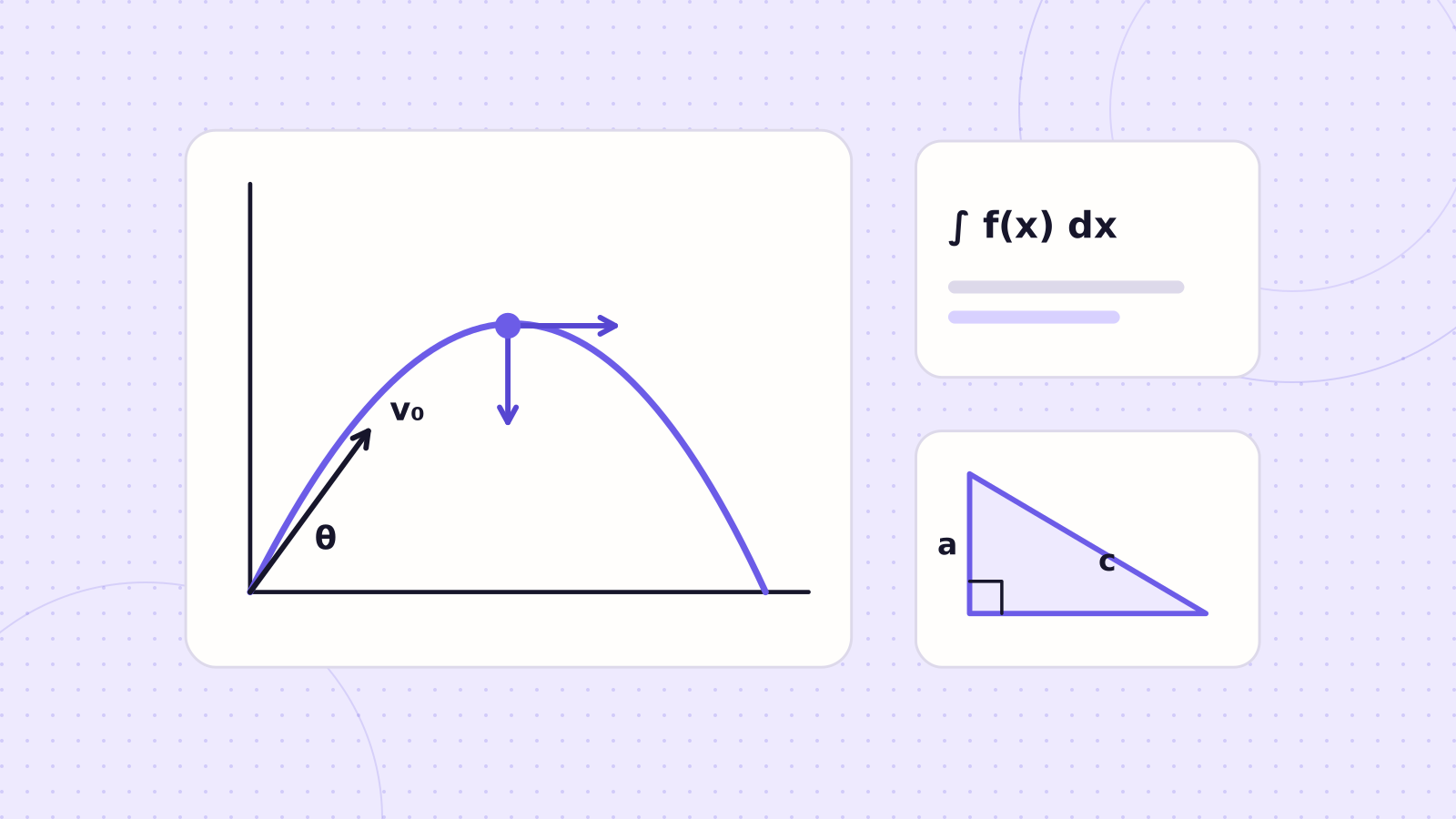
Engineering admission is a test of problems solved quickly and correctly. That has an uncomfortable consequence: the marks are lost in three places that reading cannot fix. A chapter built on an earlier chapter you never understood, small calculation slips, and the clock. AI can help with the first. It can make the second easier to find. It cannot touch the third.
Subjects, weights, number of questions and marking, including whether wrong answers cost marks, differ by test and change between years. Take them from the current circular. The advice below works whatever the format.
1. Rebuild the topic underneath
Most students stuck on a hard physics or higher-math chapter are really stuck on an earlier one. Name the chapter and Porphy asks what you already know, then writes a course at the depth you choose. You read it in Bangla or English, with technical terms left in English so they match your textbook. If it is the earlier chapter that is broken, start there. HSC physics: which chapter depends on which maps the dependencies for physics.
2. Get unstuck on a line, not a chapter
The common 11pm situation: you follow a solution until one step, and then it is a wall. Highlight that line and call the voice tutor. It explains the step aloud and draws it on a whiteboard, and you can interrupt as many times as you need. Then close it and redo the problem from the top without looking. Understanding a step and producing it are different things.
3. Turn your own sheets into practice
Upload your coaching sheets or notes (PDF, PowerPoint, Word, Markdown or text) and generate MCQs and flashcards from them. Then check each question against the source: a generated question can be flawed, and a flawed question teaches the wrong thing. A scanned PDF with no real text will not upload as a file. Photograph those pages and attach them to a question instead.
4. Use past papers, and sort your misses
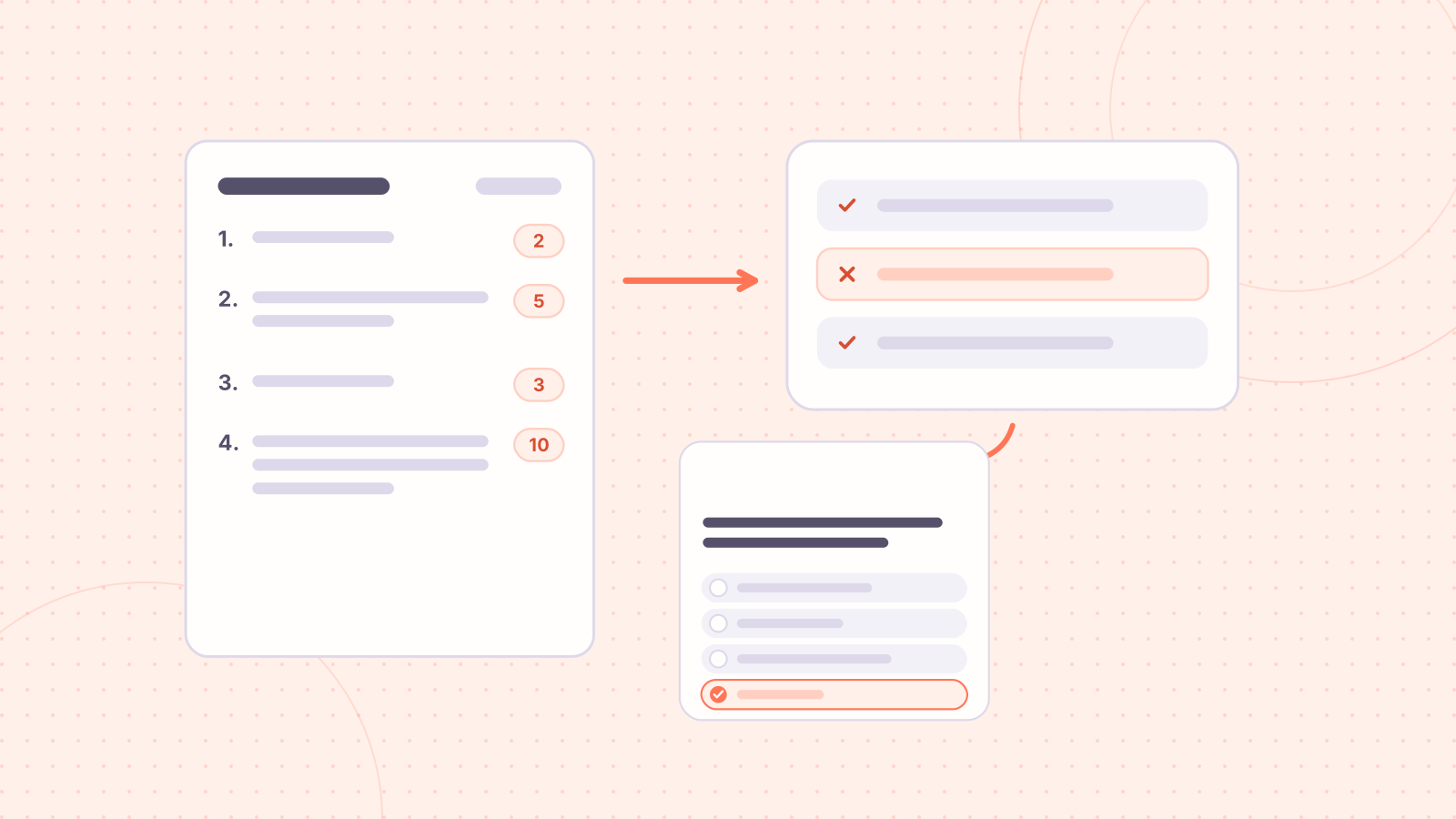
Sit a past paper first, timed. Then attach it as photos or a PDF in Answer mode with the Exam paper style, and compare. Every answer ends with a one-line reason. Log each miss as did-not-know, slipped or ran-out-of-time. For an engineering test, "slipped" is usually the biggest column, and the fix for it is slower, checked practice. The full loop is in how to practise past admission papers with AI.
A weekly shape
- Two or three days: rebuild one weak topic, then practice questions on it the same day.
- One day: a timed paper, then review. Spend as long reviewing as sitting.
- One half-day empty, so a bad day does not break the plan.
- Every day: five minutes, book closed, recall yesterday's formulas and when each applies.
The 60-day admission plan stretches this over two months.
Where it does not help
- It can make arithmetic or algebra slips. Redo any calculation you plan to learn from.
- It has no engineering admission question bank and does not know this year's trends or any test's marking scheme.
- It cannot make you faster. Speed comes only from timed practice.
- It does not schedule revision, send reminders or track streaks. You own the timetable.
Every new account starts with 2,000 credits free, no card, no subscription, and they never expire. A full researched course runs about 600–1,200 credits, an MCQ set or flashcard deck 10–30, and the voice tutor 20–60 a minute. Free accounts run a lighter pipeline so the credits go further: at most 3 parts per course, with text and tables in place of generated visualizations.